
You Don’t Need a Makerspace to Start Making
But here’s how classrooms grow into one
It started with something small.
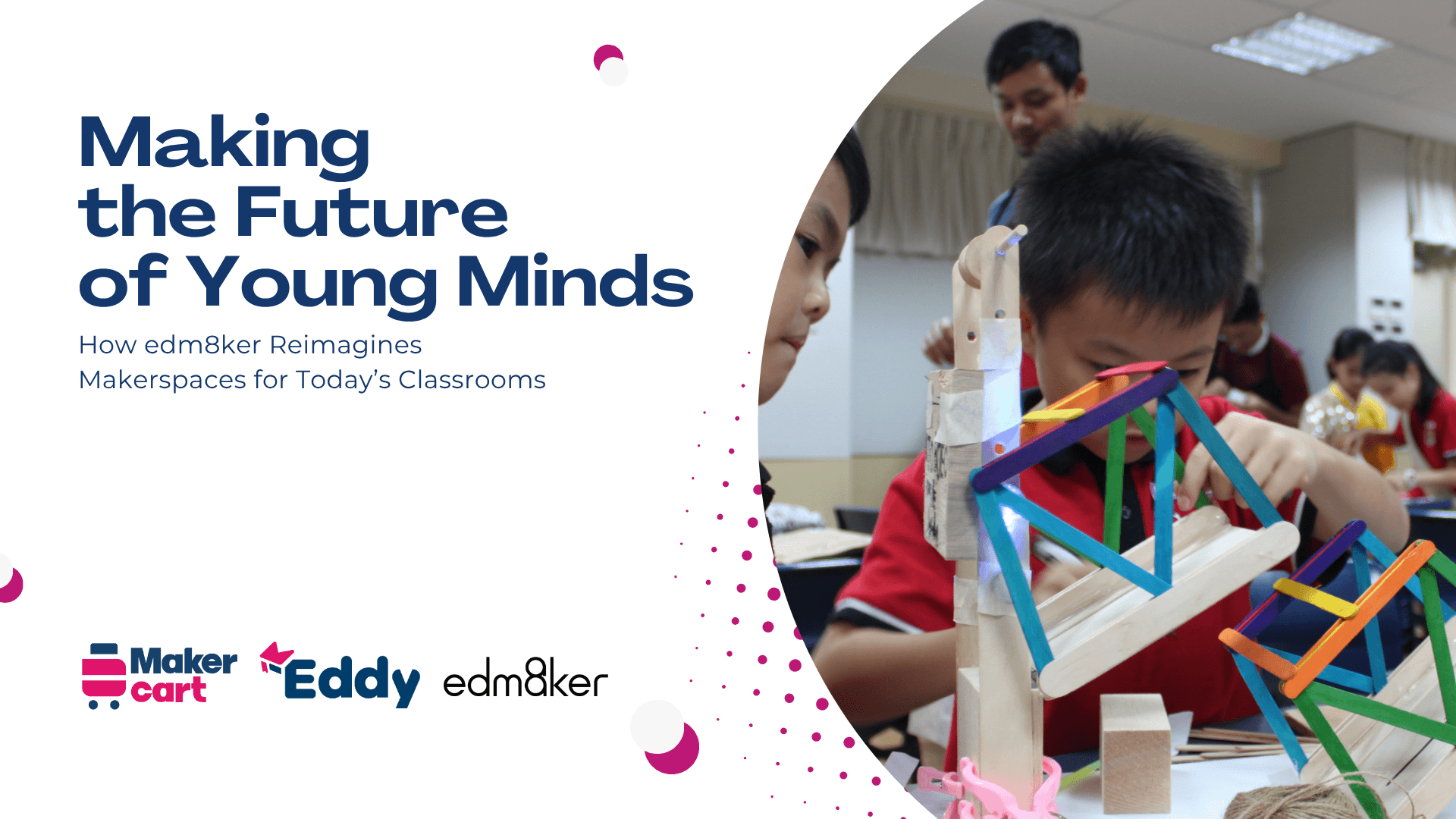
A simple activity—paper, tape, and a challenge that was supposed to take 20 minutes.
But the students didn’t stop.
They tested.
Adjusted.
Started over.
Some builds collapsed. Some worked better than expected. One group quietly rebuilt their entire structure without being asked.
The lesson didn’t go as planned.
It went further.
That’s often how making begins in a classroom.
Not with a makerspace.
But with a moment.
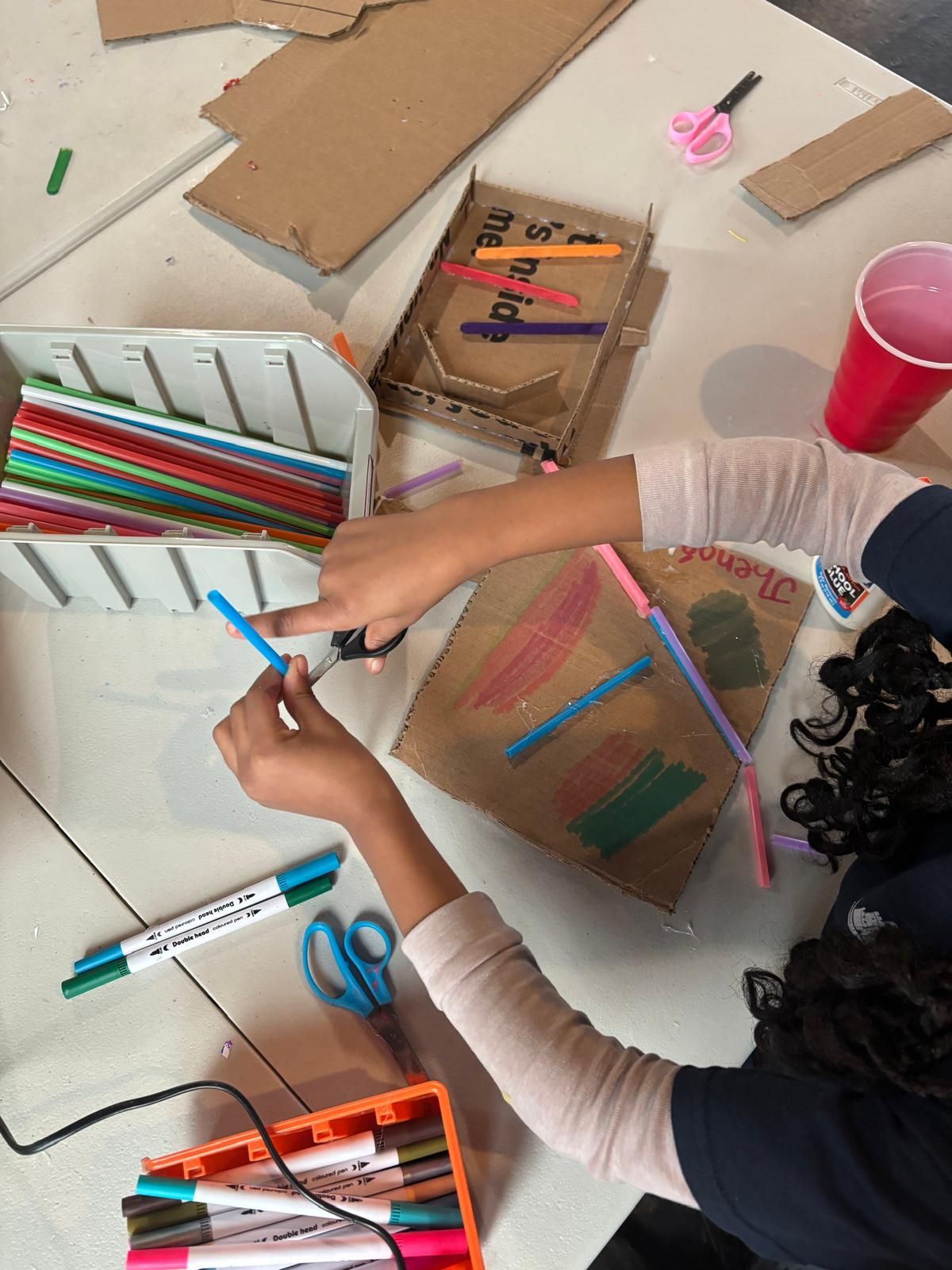
Where making actually begins
There’s a common assumption that hands-on learning starts with tools.
A new lab.
A dedicated space.
Better equipment.
In practice, it usually starts much earlier.
With how a lesson is framed.
With what students are asked to do.
Whether they’re given the space to try.
As Isminur Yilar, edm8ker’s AI Strategist, puts it:
“The shift isn’t about adding more to the classroom.
It’s about creating moments where students can build, test, and figure things out.”
That shift is what turns learning from something students hear into something they experience.
A simple shift that changes everything
Instead of starting with:
“What do I need to teach today?”
Try starting with:
“What can students build to understand this?”
It sounds small.
It isn’t.
Because when students start building, they stop looking for the “right answer” and start paying attention to what works.
Five ways to bring making into your classroom
You don’t need a full setup to begin.
You just need a starting point.
1. Start with an activity, not an explanation
Before introducing a concept, give students something to try.
Build a structure.
Make something move.
Test an idea.
Learning becomes something they experience—not just listen to.
👉 Explore classroom-ready activity builds on Eddy:
https://eddy4teachers.com/makercart/catalog
2. Use what you already have
Most classrooms already have what they need.
Paper.
Cardboard.
Basic materials.
What’s often missing is access and organization.
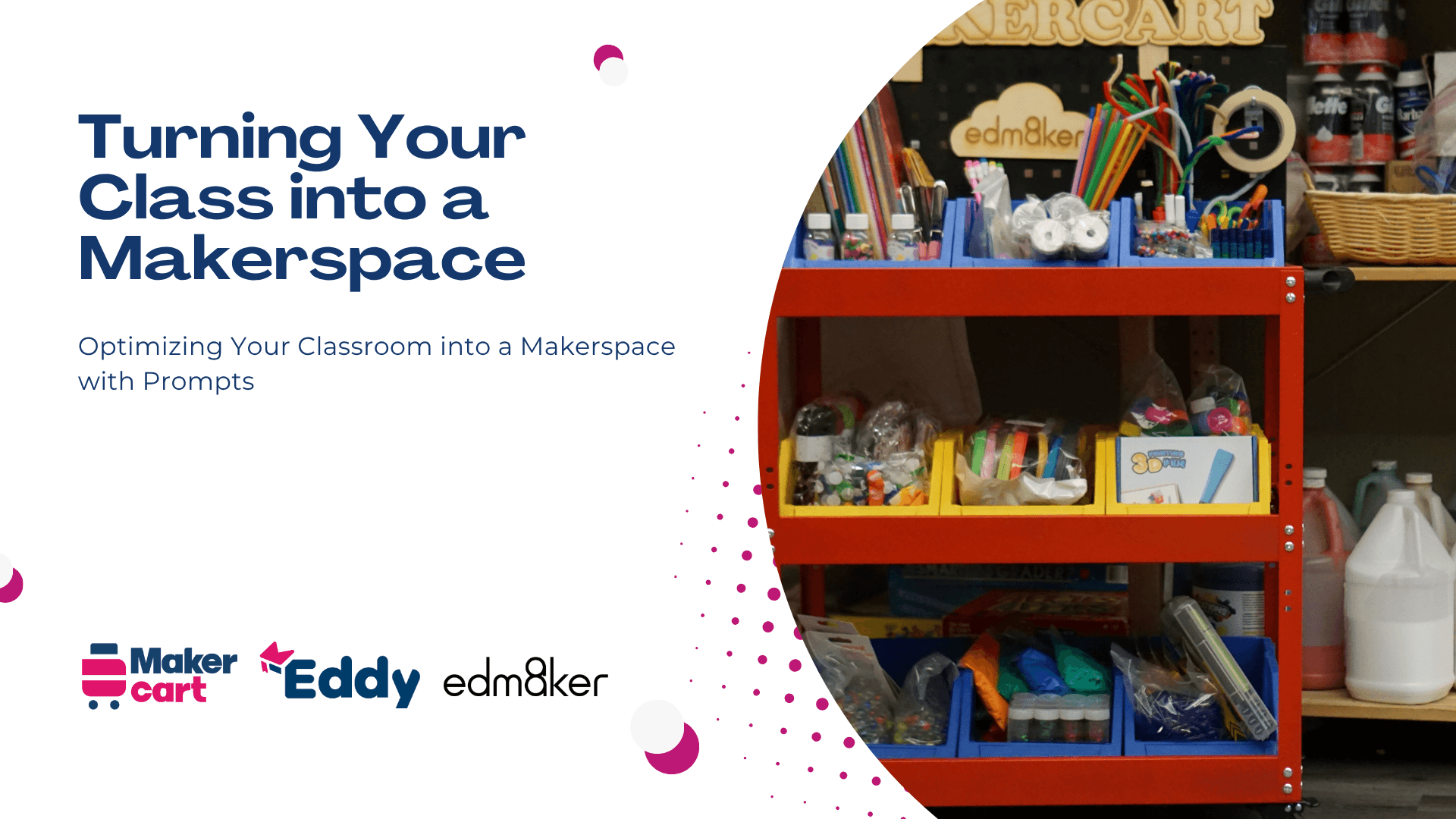
A small corner.
A few labeled kits.
Clear setup.
That’s usually enough to get started.
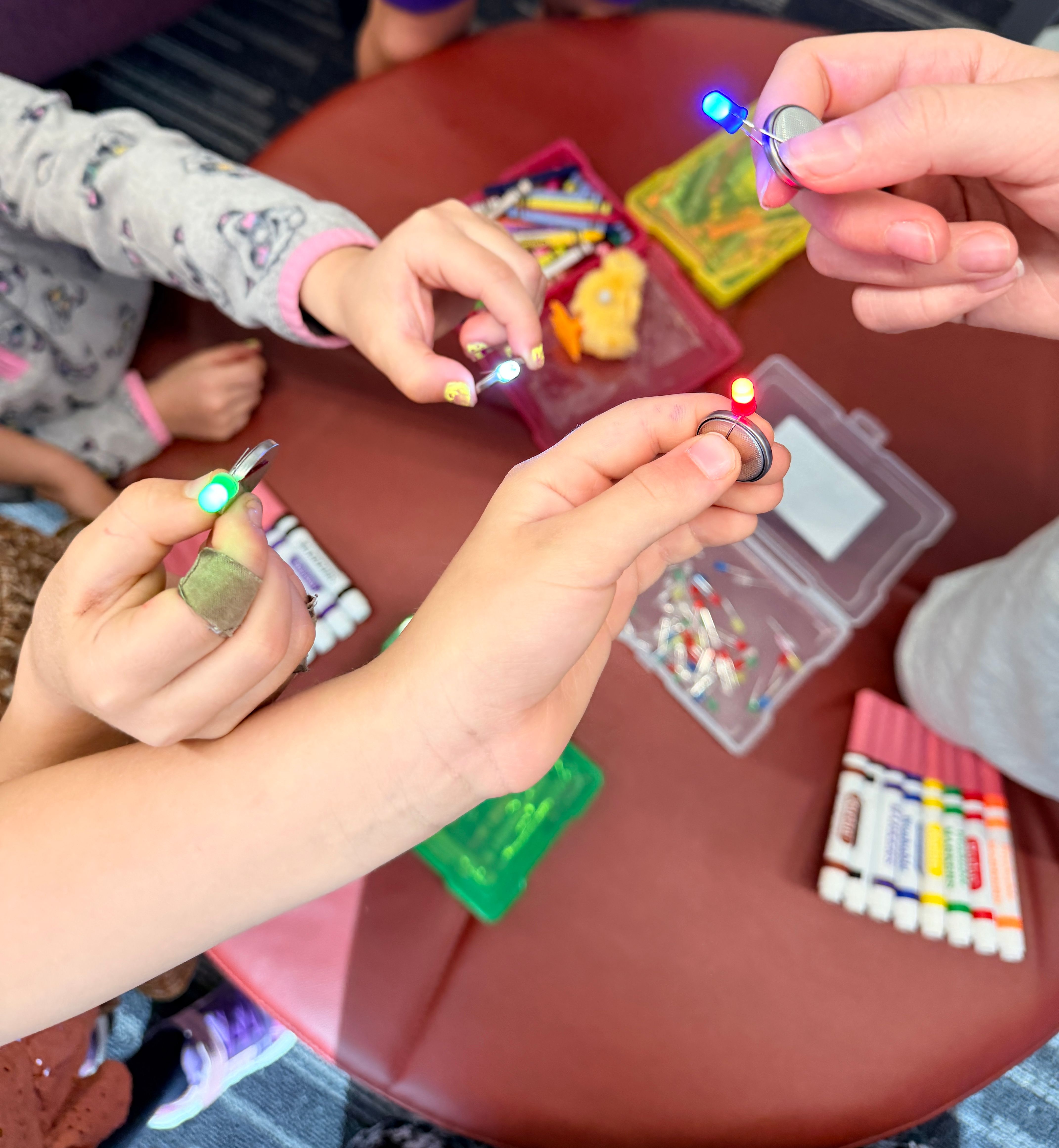
3. Guide the process, don’t control it
Hands-on learning doesn’t mean no structure.
It means a different kind of structure.
Instead of giving answers, ask:
- What did you try?
- What changed?
- What would you do differently?
That’s where thinking develops.
4. Connect it to what you’re already teaching
Making doesn’t need to sit outside your lessons.
A simple build can:
- reinforce science concepts
- support math understanding
- connect to real-world problems
It doesn’t add more work.
It changes how learning happens.
Same concept. Different experience.
5. Look at the process, not just the result
Not every build works.
That’s not a problem.
That’s the point.
What matters is:
- How students approached it
- What they changed
- What they learned
When students begin to value iteration, their confidence shifts.
What this looks like in a real classroom
It rarely looks perfect.
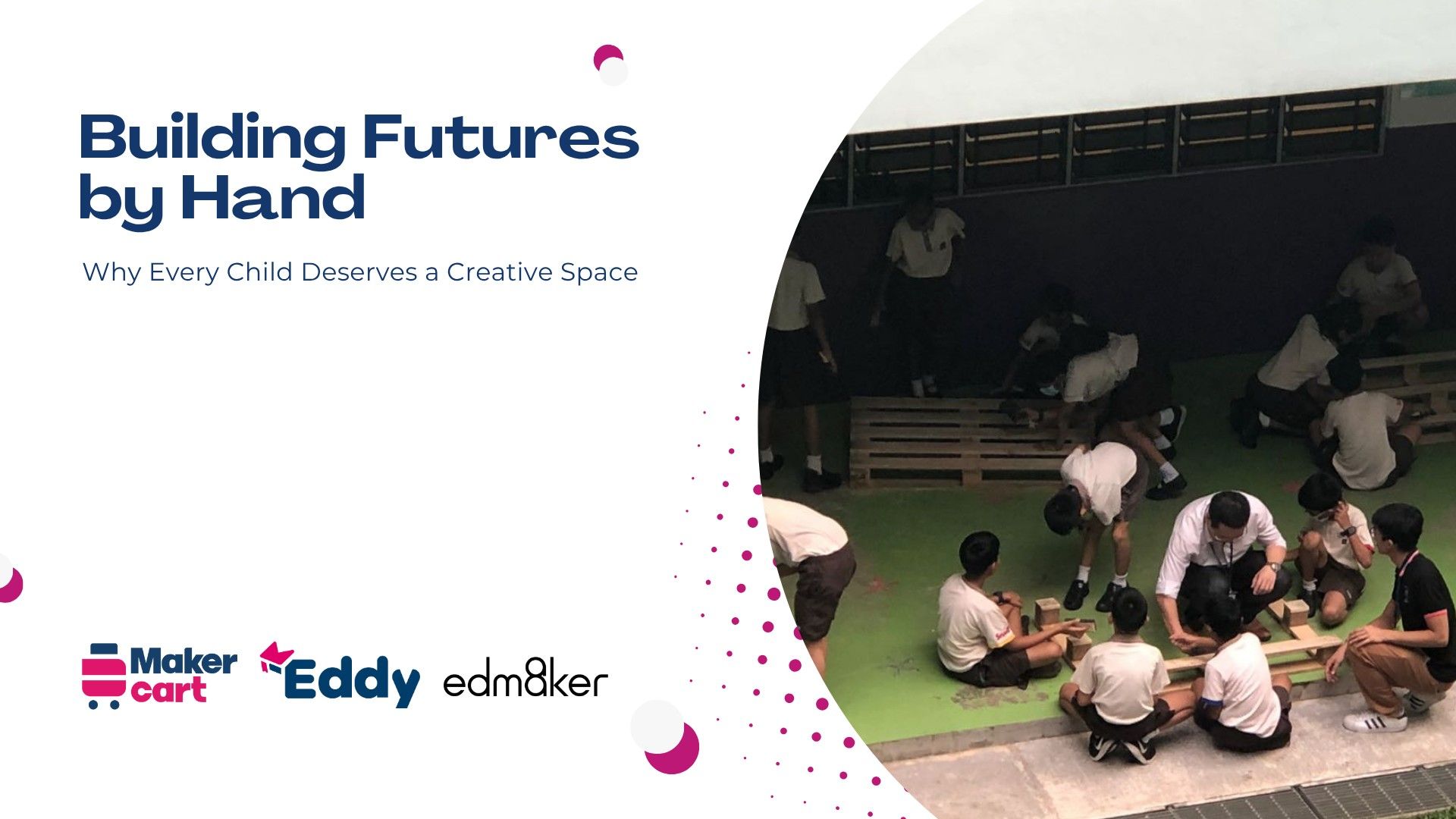
Materials are spread out.
Some groups move faster than others.
Things don’t always go as planned.
But you’ll also see:
Students explaining their thinking.
Comparing approaches.
Trying again without being asked.
That shift—from completing to exploring—is what most classrooms are working toward.
Where most classrooms get stuck
Starting is simple.
Sustaining it is not.
Over time, questions come up:
How do we organize materials?
How do we ensure consistency across classes?
How do we support teachers who are new to this?
How do we scale this beyond one classroom?
This is where many schools pause.
From one activity to a system
Hands-on learning works best when it’s not occasional.
It works when it’s supported.
When there’s a structure behind it.
A makerspace, in that sense, is not just a room.
It’s a system that supports:
- activity design
- material access
- facilitation
- and consistency
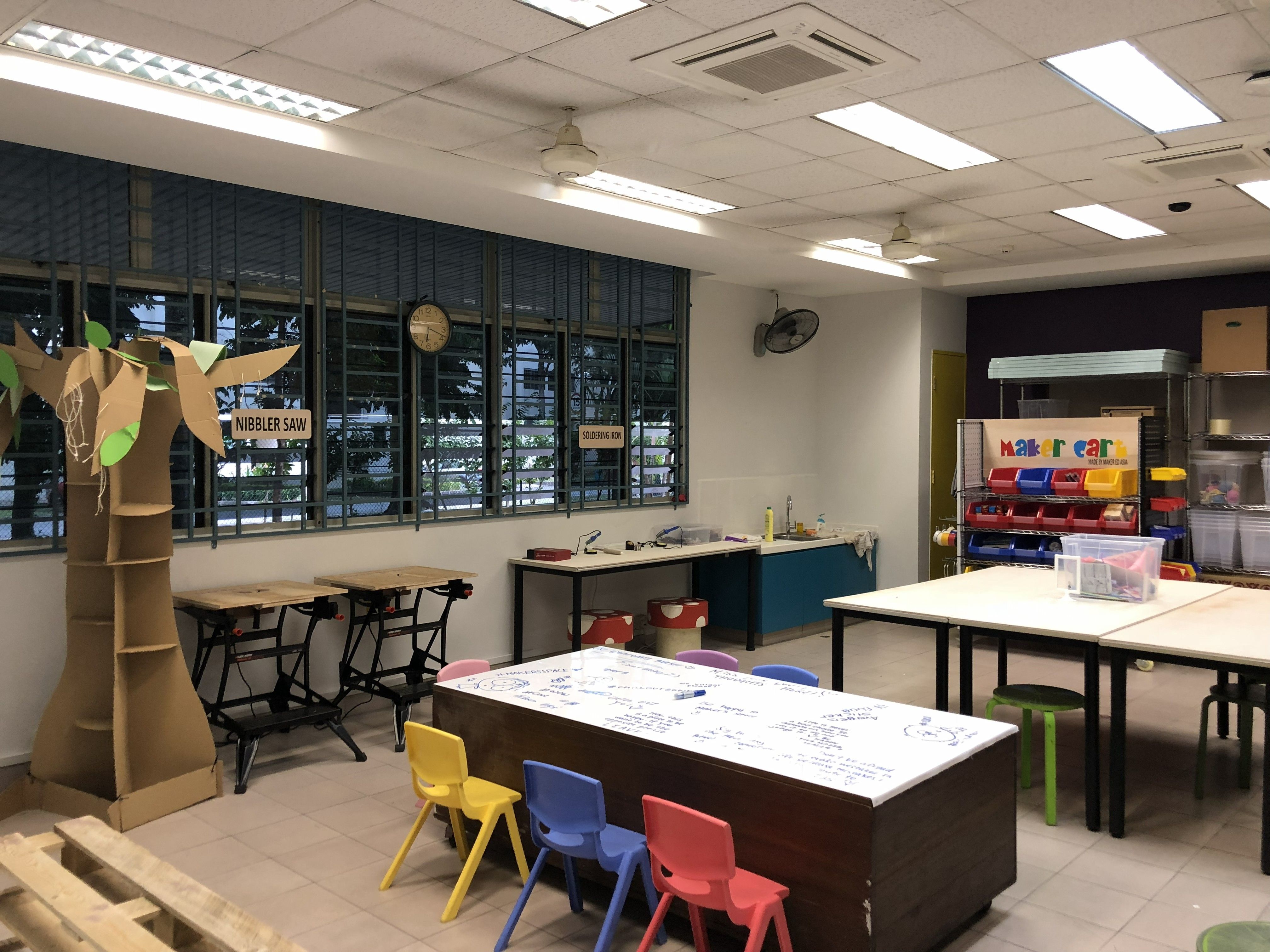
How schools move forward from here
Some educators continue with individual activities.
Others look at how to make this work across classrooms.
That’s where different levels of support come in:
- Eddy → for ready-to-use activity design
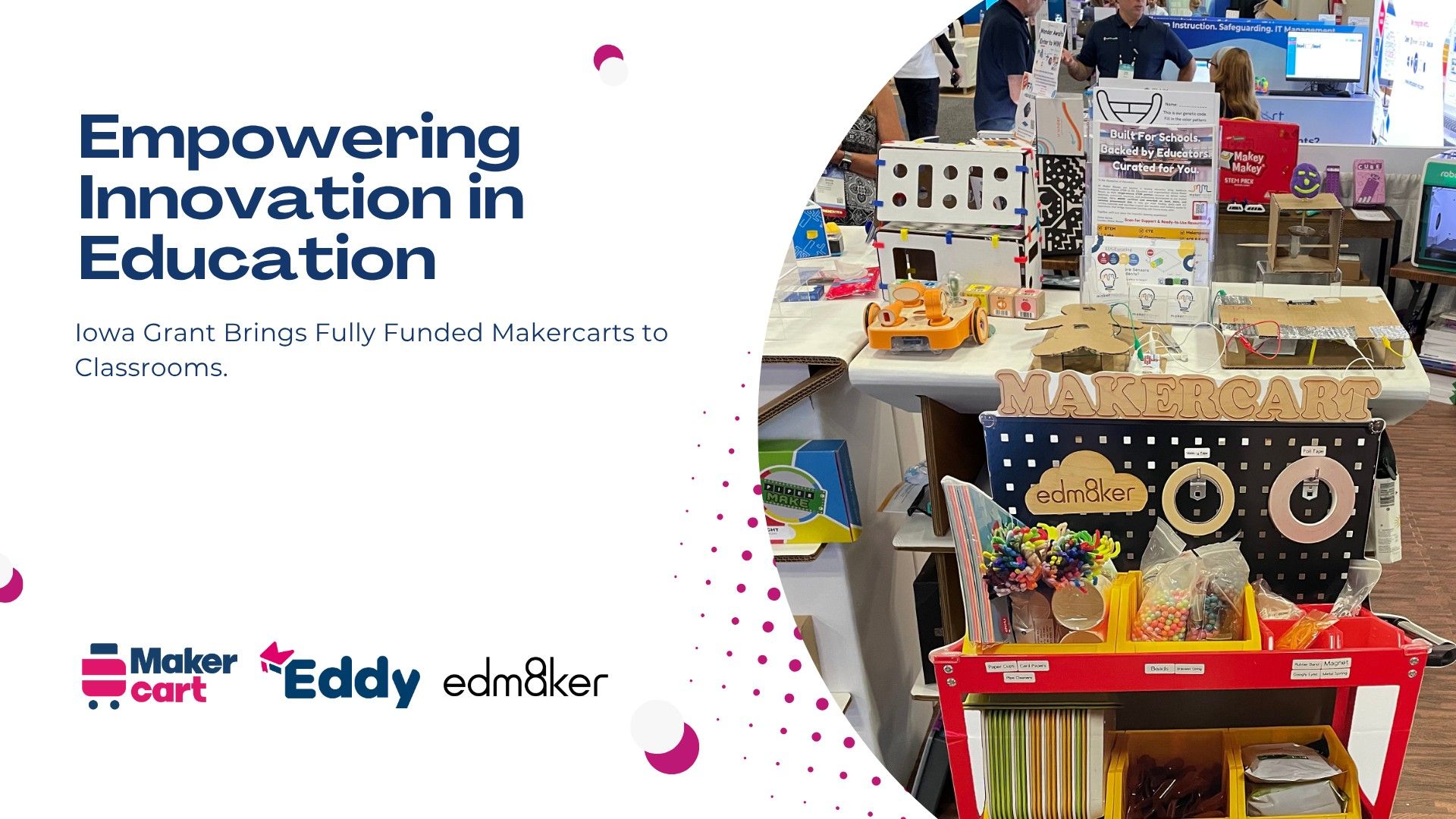
- Makercart → for structured classroom implementation
- Makerspace consultancy → for long-term planning and scaling
Explore how Makercart supports classroom implementation:
https://eddy4teachers.com/makercart/catalog
Learn more about edm8ker’s makerspace consultancy:
https://edm8ker.com/services/makerspace-consultancy
Start where you are
You don’t need a full setup.
You don’t need perfect conditions.
You need a starting point.
One activity.
One shift.
One moment where students build something instead of just hearing about it.
That’s usually enough.
If you’re exploring what this could look like in your school
You can start small:
→ Browse hands-on activities on Eddy
https://eddy4teachers.com/makercart/catalog
Or take the next step:
→ Talk to us about designing a makerspace for your school
https://edm8ker.com/services/makerspace-consultancy
Final thought
The goal isn’t to add more to teaching.
It’s to change what learning feels like.
And often, that begins with something simple:
Letting students try.
💬 Discussion
What’s one activity you’ve tried—or want to try—that gets students building instead of just listening?